
The beginnings of the mosque
The municipality of Tetova dates the construction to 1495. The virtual museum of Tetova mentions the year 1438. These sources give different dates for the foundation; should not be read as a single undisputed date.
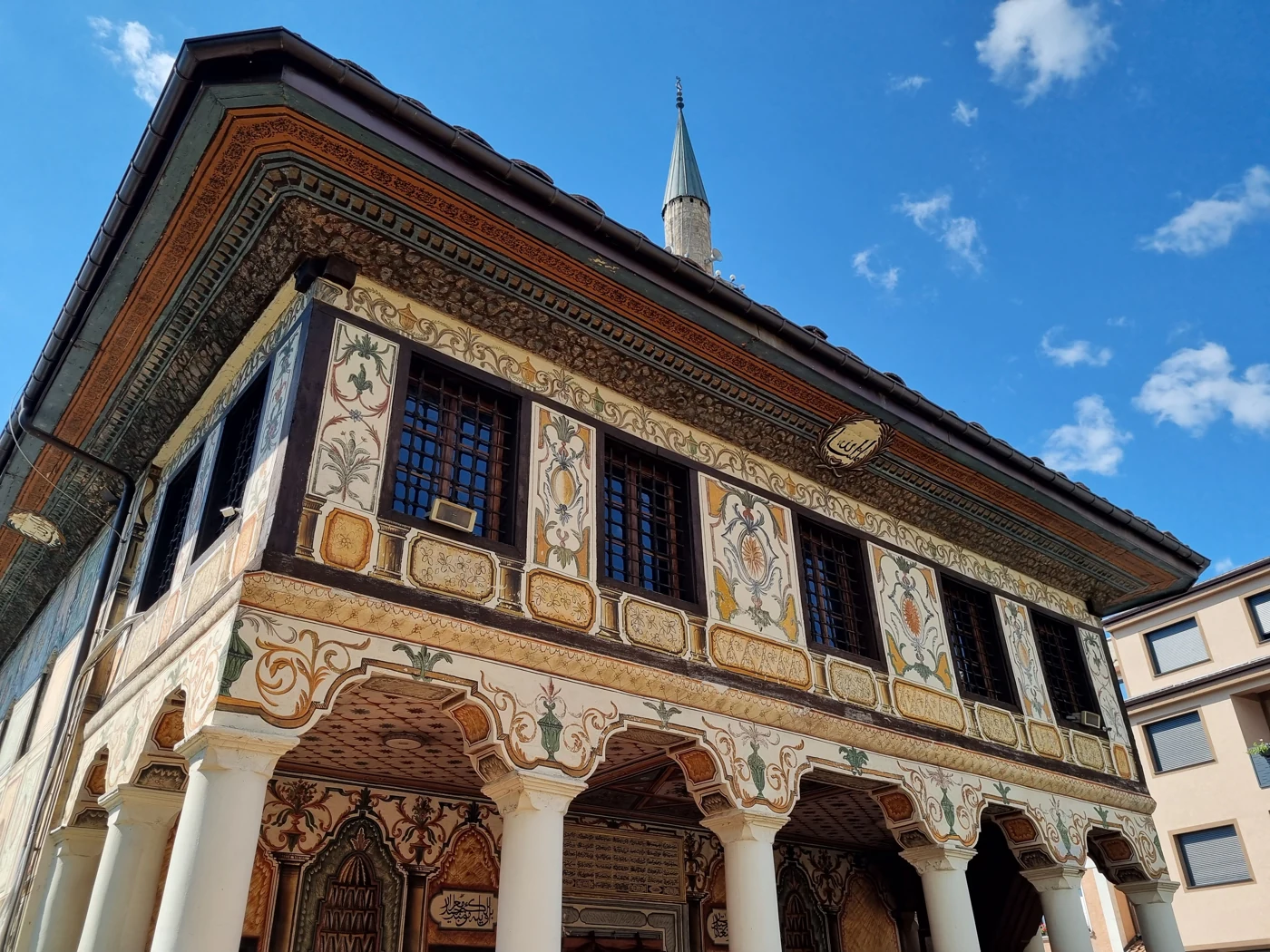 JAMIA E LARME · TETOVU
A history written in color.
A symbol that lives with Tetova.
Near the river Shkumbin (Pena), the Painted Mosque is one of the most popular symbols of the city. Her early name, Alaxha, is associated with colors; the name Pasha's Mosque with Abdurrahman Pasha, its rebuilder.
It continues to be a place of prayer and a protected monument of religious and cultural heritage, also visited by travelers.
Source: Commission for relations with religious communities ↗︎An account of the founding, rebuilding and continuity of a holy place.
The municipality of Tetova dates the construction to 1495. The virtual museum of Tetova mentions the year 1438. These sources give different dates for the foundation; should not be read as a single undisputed date.
Tetova's local development strategy links the financing of the mosque to Hurshide and Mensure. Their graves are located in the octagonal tomb of the courtyard. This space preserves the memory of their charity next to the place they helped build.
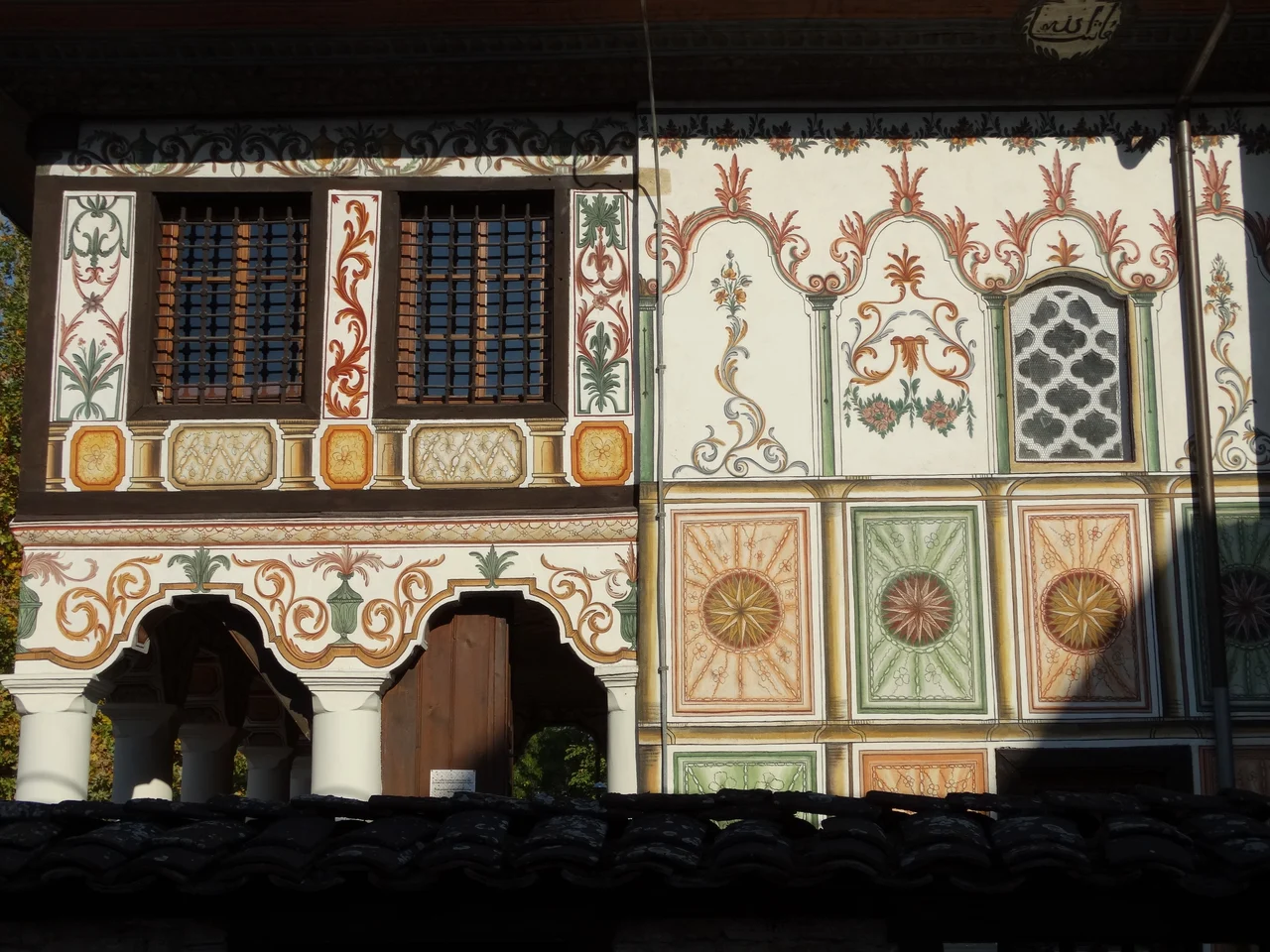
Source: Local development strategy, Municipality of Tetova (PDF) ↗︎The architectural form and decoration that we know today are related to the intervention of Abdurrahman Pasha in the years 1833-34. This stage gave the mosque its characteristic appearance, where architecture and painting intertwine.
Source: Municipality of Tetova ↗︎Prayer remains part of the life of the mosque. The cultural visit takes place in an active religious space, where respect for believers and care for the monument go hand in hand.
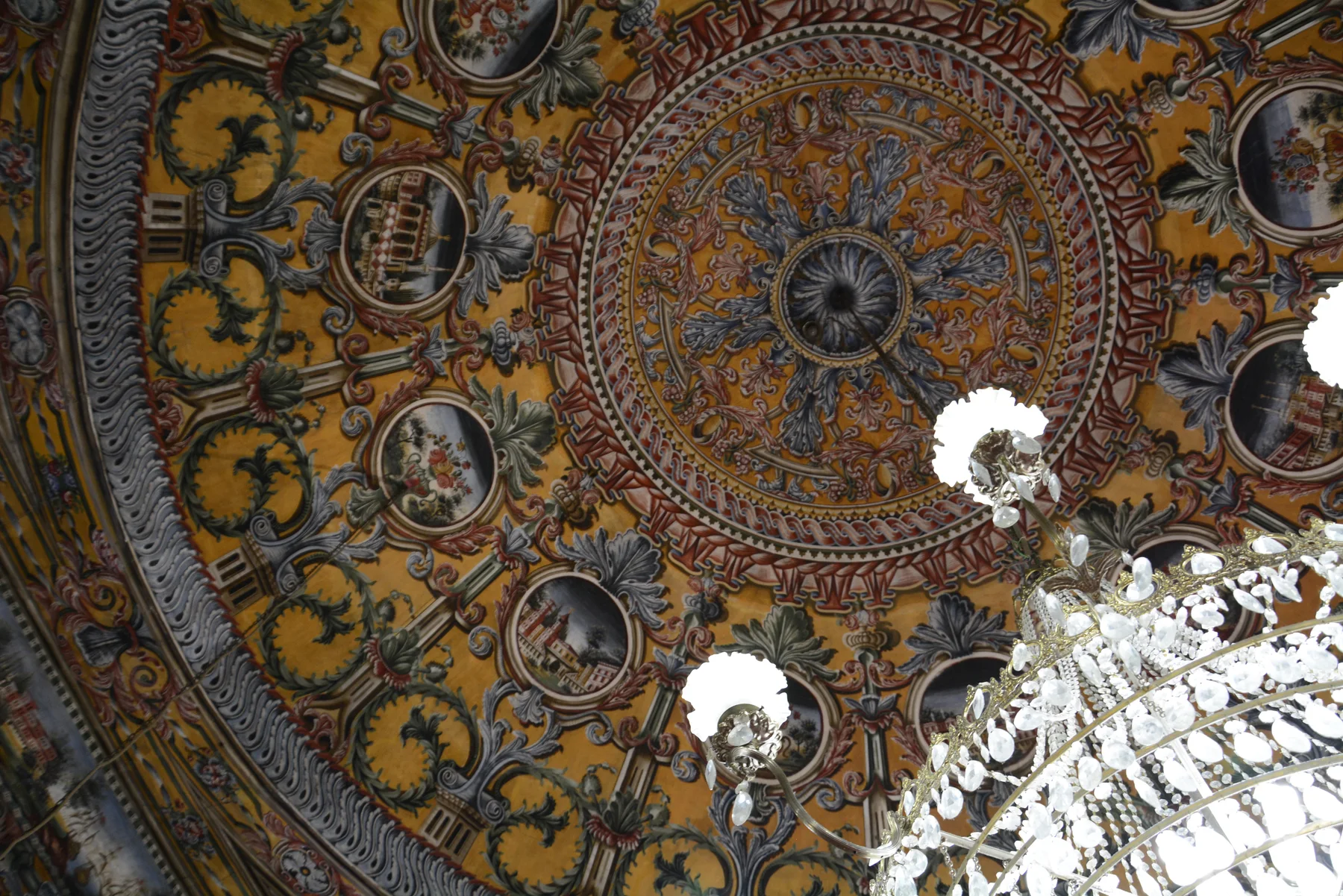
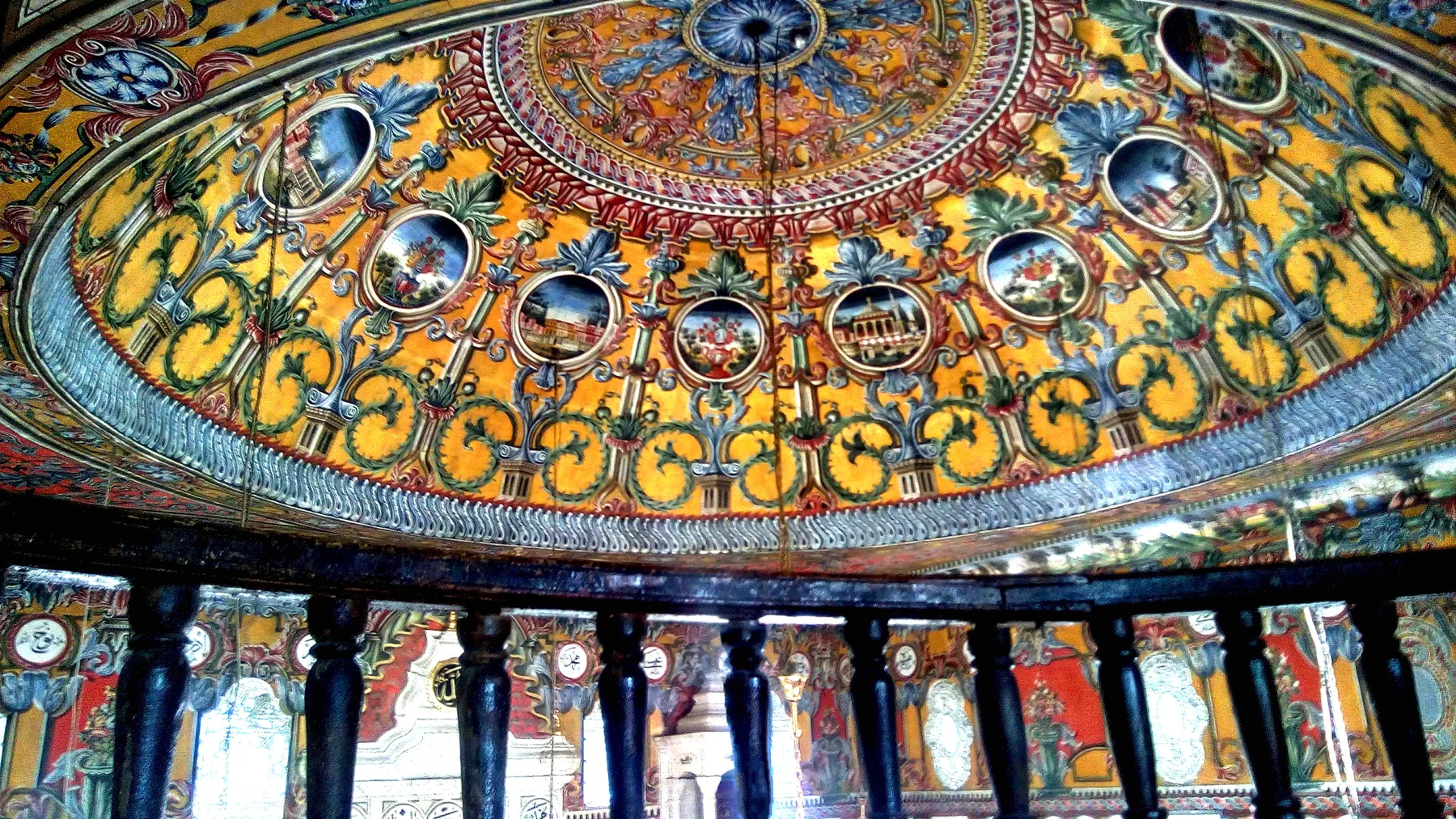
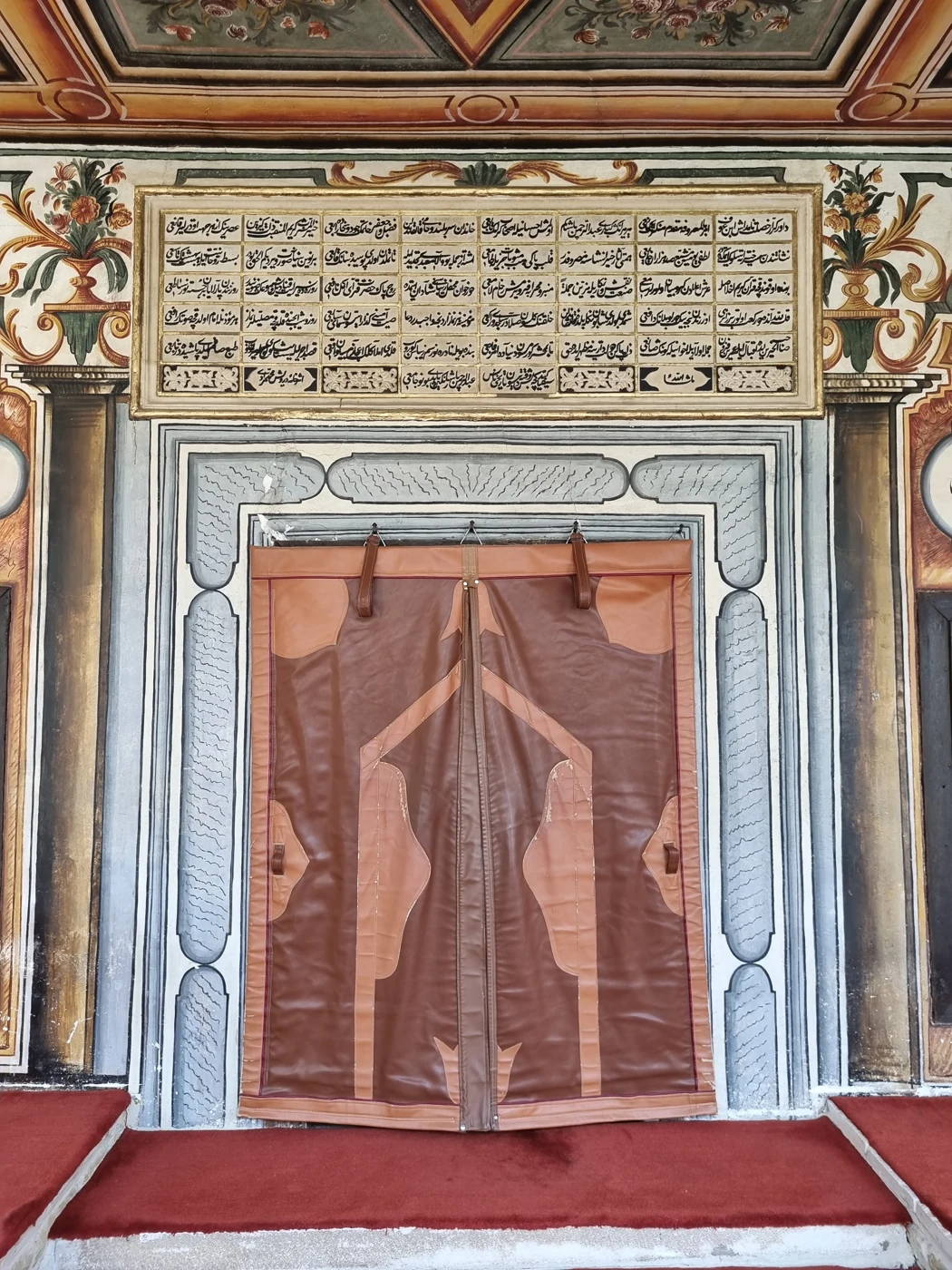
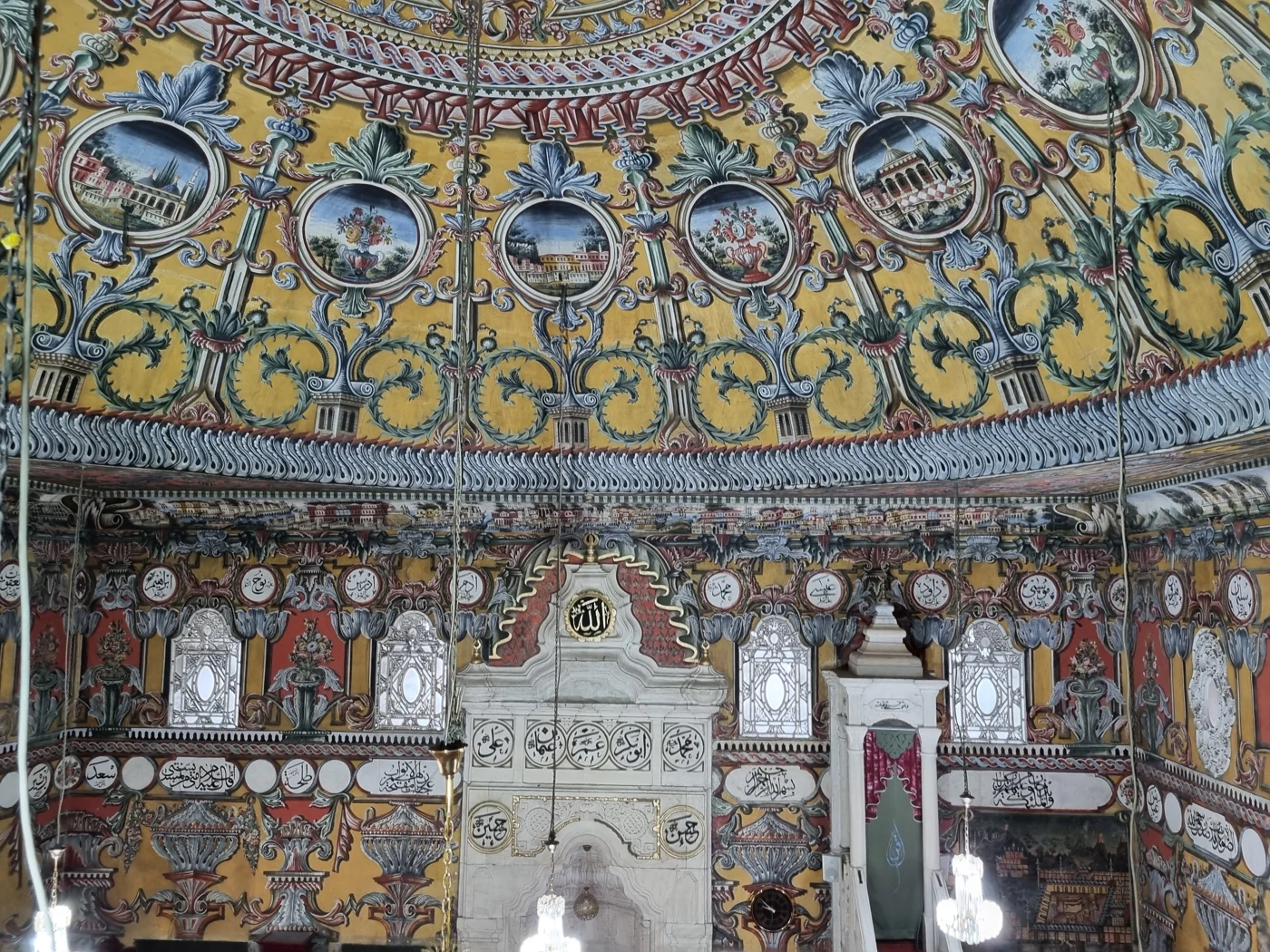
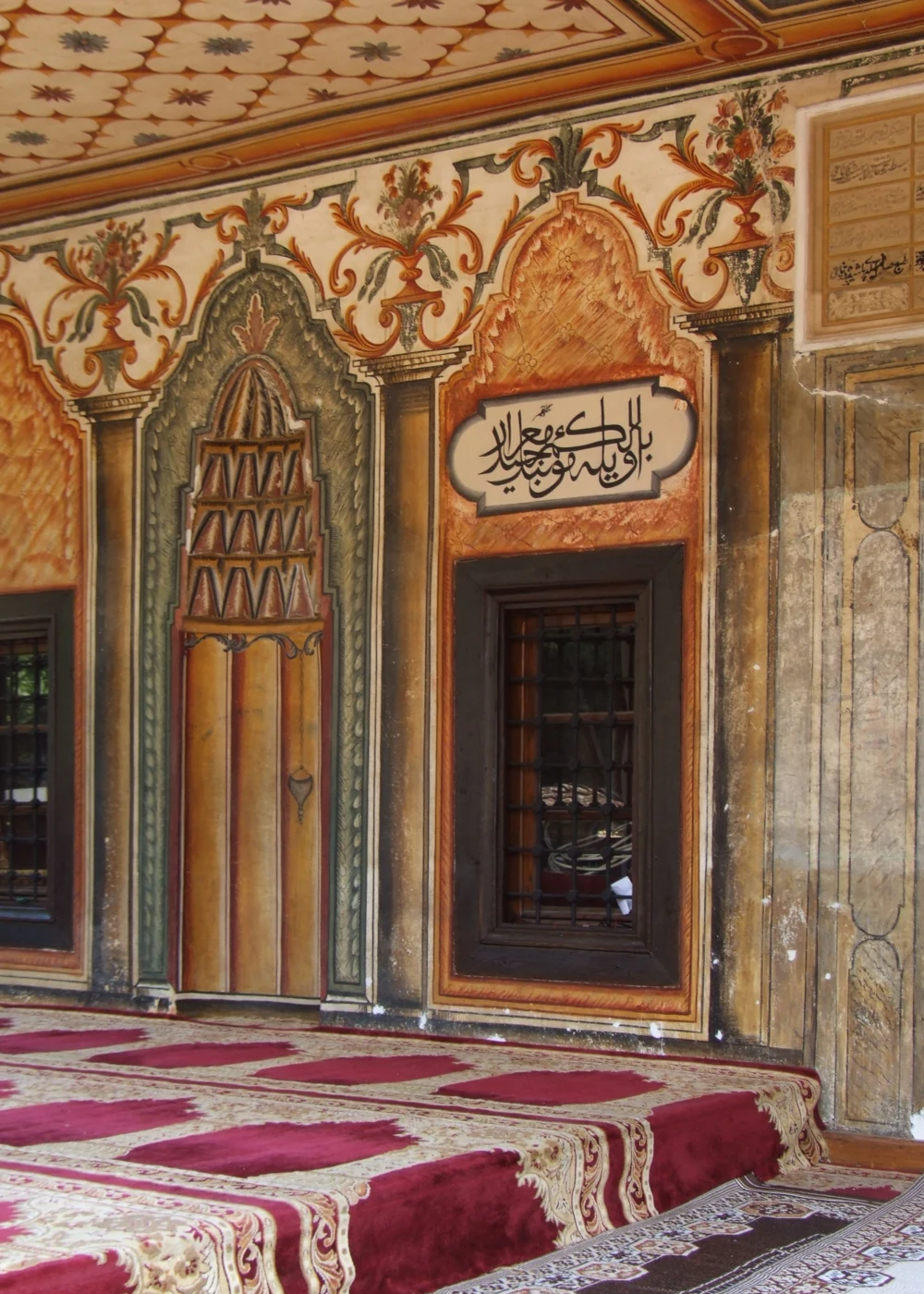
The square prayer hall is lit by 30 windows on two levels. Geometric and floral motifs cover the walls; the decoration also extends to the mihrab, gallery and ceiling.
Paintings in the secco technique adorn the interior walls and facades, turning the mosque into a living work of art.
The prayer hall, the hayat, the minaret, the tyrba and the tap are united within the walled courtyard.
A legend, mentioned by the Commission for relations with religious communities, says that the whites of 30 thousand eggs were used for the colors. This is a rumor, not a documented restoration recipe.
Read the source ↗︎Open the pictures for a closer look.
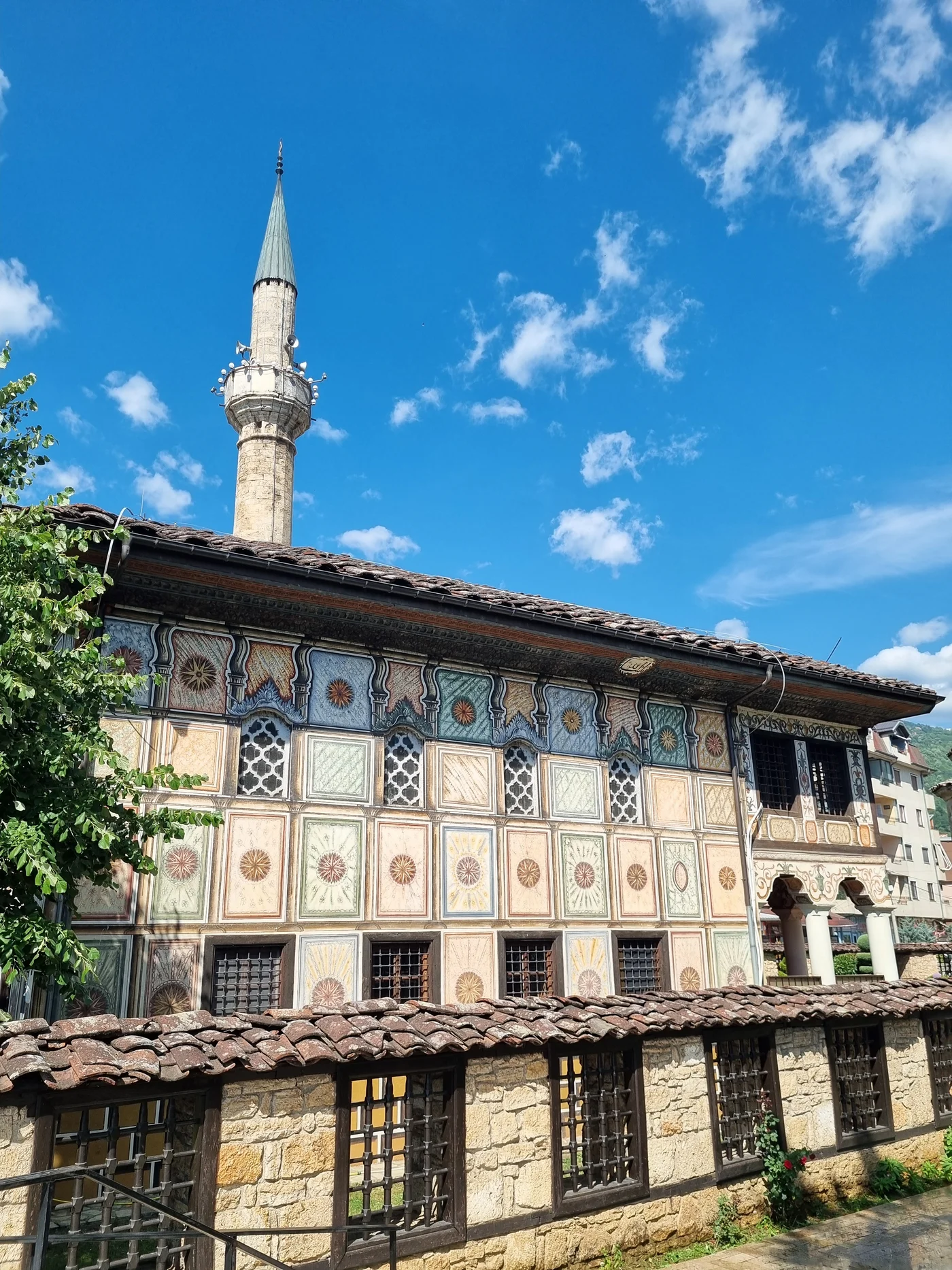
Pictures scaled down and converted to WebP; clipping and overlays are done in CSS. Adaptations retain the license of the original.
The mosque is located near the center of Tetova and the river Shkumbin. Open the location to plan your route.
Directions on Google Maps ↗︎Ask Muftiny about the visitTips for visitors to an active forgiveness space.
For the schedule of visits, entrance to the interior or a group visit, ask for confirmation from Muftiny. The working hours of the office are not visiting hours of the mosque.
Keep calm and leave the space of believers free. Follow the instructions of the staff; LOOK prayer schedule for Tetova for orientation.
Ask before taking pictures inside and avoid taking pictures of people without their consent. Do not touch the paintings and respect the designated areas for visitors.
Choose appropriate clothing for a religious place. Ask staff about footwear, entry and any access needs before visiting.